
Oven Not Heating? Igniters, Elements, and Sensors Explained for Coachella Valley Homeowners
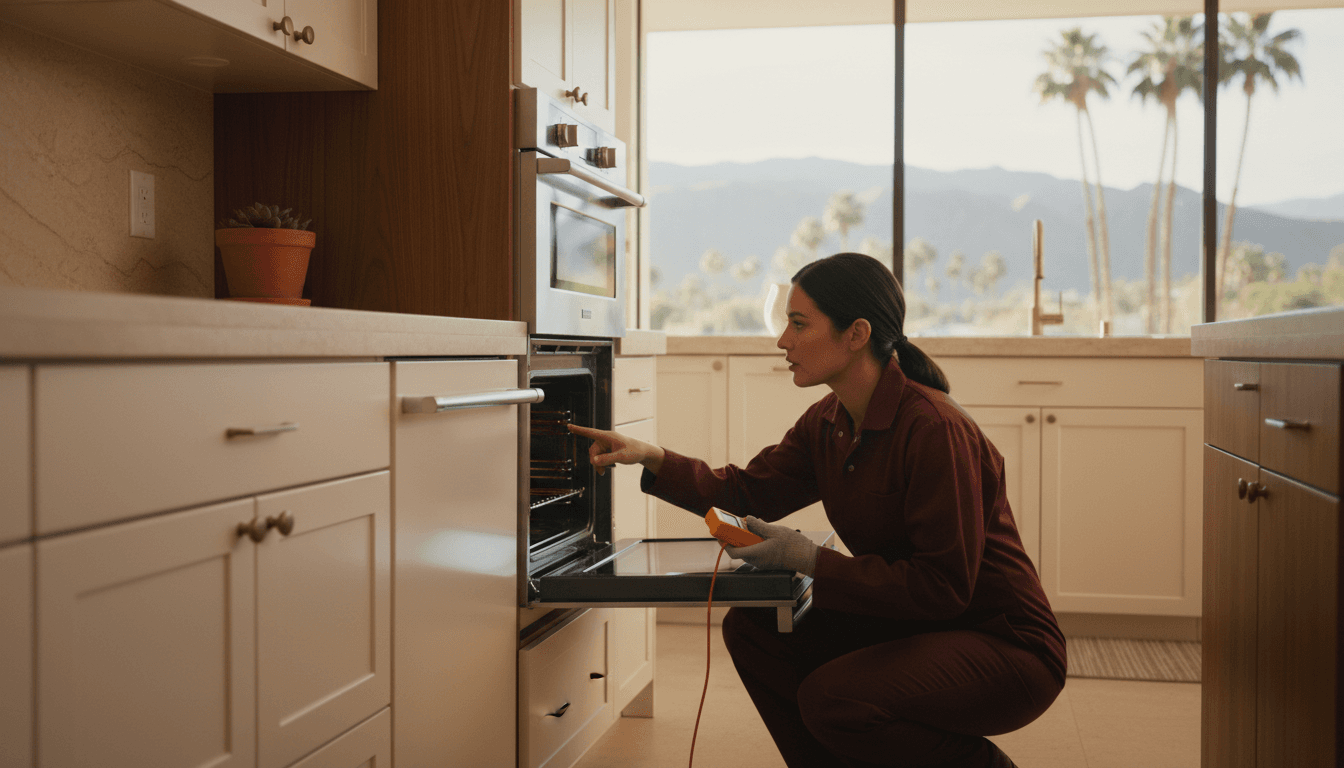
Oven Not Heating? Igniters, Elements, and Sensors Explained for Coachella Valley Homeowners
A properly functioning oven is essential for many households, especially in Palm Springs and the Coachella Valley, where families and second-home owners rely on high-end built-in appliances to prepare meals year-round. When your oven isn’t heating correctly, it can disrupt daily routines and cause frustration. Understanding the common causes such as faulty igniters, heating elements, and sensors can help you identify issues early and decide when professional repair is necessary.
In this article, we’ll explain how these components work together to provide even, reliable heat. We’ll also provide safe troubleshooting steps and advice tailored for owners of premium appliances like Sub-Zero, Wolf, Thermador, and Miele, which are common in upscale Coachella Valley homes.
How Ovens Heat: Key Components to Know
Modern built-in ovens rely on several core parts to heat food properly. Knowing the role of each can help you recognize what might be going wrong.
Igniters
In gas ovens, the igniter is responsible for lighting the gas burner to create heat. The igniter must get hot enough to open the gas valve safely. A weak or faulty igniter will fail to light the burner, causing the oven to not heat or heat inconsistently. Since gas ovens involve ignition and combustion, always shut off the gas valve before any inspection.
Heating Elements
Electric ovens use heating elements—wired coils usually located at the bottom (bake element) and top (broil element) of the oven cavity. These elements convert electrical energy into heat. Damage or burnout of these elements causes the oven to fail to reach or maintain temperature. Built-in electric ovens from brands like Wolf or Thermador rely on robust elements, but they can degrade over time or from repeated thermal cycling.
Sensors and Thermostats
Ovens have temperature sensors or thermostats that monitor the internal heat. They communicate with the control board to maintain accurate temperature settings. If a sensor malfunctions or reads incorrectly, the oven’s heating cycle may be interrupted or irregular.
Why Oven Heating Problems Matter in the Desert
Homes in Palm Springs and the broader Coachella Valley experience extreme temperature variations, which can affect appliance performance. For example, dry desert air can contribute to electrical component wear, and dust accumulation—especially in homes left closed during seasonal absences—can reduce the efficiency of oven components. Prompt diagnosis and upkeep help maintain safe, efficient operation.
What You Can Safely Check Before Calling a Technician
Before scheduling professional oven repair, you can perform some safe, non-invasive checks:
- Power Supply: Make sure the oven is plugged in and the circuit breaker or fuse hasn’t tripped. Always unplug the appliance before inspecting plugs or outlets.
- Oven Settings: Confirm that the oven is set to the correct mode (bake, broil) and temperature.
- Gas Supply (Gas Ovens): Ensure the gas valve is open before use; if you smell gas, stop use immediately and call professionals.
- Oven Door Seal: Check that the oven door closes properly and the gasket is intact to prevent heat loss.
- Vent Cleanliness: Inspect visible air vents for dust or debris that might affect heat circulation.
Avoid any attempts to disassemble the oven’s internal electrical or gas components, such as igniters, heating elements, or control boards.
When to Call a Certified Oven Repair Technician in the Coachella Valley
Certain signs indicate the need for expert service, especially for premium brands requiring specialized tools and factory training:
- Oven does not heat at all or heats very slowly despite correct settings.
- Oven igniter glows but doesn’t light the gas burner (for gas ovens).
- Heating elements show visible damage or do not heat up (for electric ovens).
- Inconsistent temperature, unexplained error codes, or oven shuts off prematurely.
- Persistent odor of gas, electrical burning, or unusual noises during operation.
- Oven installed in built-in cabinetry by manufacturers such as Cove, Viking, or Gaggenau.
Certified technicians at Solvanta have factory training for these premium brands to ensure repairs meet safety and manufacturer standards.
Common Oven Heating Problems Explained
1. Faulty Igniter (Gas Ovens)
If your gas oven won’t heat, the igniter is a frequent culprit. While it should glow bright orange, heating sufficiently to open the gas valve, a weak igniter won’t ignite the gas flame. This is a common issue in premium gas ovens requiring diagnostic checks with specialized instruments.
2. Burned-Out Heating Element (Electric Ovens)
A broken or burned-out bake or broil element will cause the oven to stop heating in that mode. You might see visible cracks or blisters on the element. While some homeowners may visually inspect for damage, testing heating elements requires electrical expertise best left to technicians.
3. Defective Temperature Sensor
If the oven heats but doesn't maintain temperature or overheats, the internal sensor or thermostat might be faulty. Sensors relay temperature readings to the control board, so inaccuracies cause erratic heating cycles.
4. Control Board Issues
Modern ovens rely on circuit boards for regulating heat cycles. Although less common, failure here can disrupt heating. Diagnosing board issues requires professional equipment.
Summary Checklist Before Calling for Oven Repair
- Ensure consistent power supply and correct oven settings.
- Confirm gas valve is open if using a gas oven (do not attempt repairs on gas components).
- Check oven door seal and visible vent areas for damage or obstruction.
- Look for visible signs of damage on heating elements if accessible.
- Note any error codes or unusual behavior for technician reference.
- Avoid internal electrical or gas component checks beyond these visible, non-invasive steps.
For Coachella Valley homeowners with premium built-in ovens, proper maintenance and expert repairs ensure your appliance performs reliably despite the desert environment. If you’re experiencing issues, learn more about Solvanta’s oven repair services to keep your kitchen running smoothly.
Because many customers own top-tier appliances, Solvanta technicians are factory-trained on brands like Wolf, Thermador, and Sub-Zero, combining expert knowledge with timely, clean service.
Discover the full range of premium home appliance repair services we offer to Coachella Valley homeowners, including installation, maintenance, and dryer vent cleaning for a safer home environment.
FAQ / Direct Answers
Q1: My gas oven isn’t heating but I see the igniter glowing. What could be wrong?
If the igniter glows but the oven doesn’t light, the igniter may not be reaching the required temperature to open the gas valve. This issue often requires professional diagnosis and replacement safely by a certified technician.
Q2: Can I replace a broken heating element in my electric oven myself?
While visually inspecting heating elements for damage is safe, replacing them involves accessing live electrical parts and should be done only by a qualified technician to ensure safety and manufacturer compliance.
Q3: Why does my oven’s temperature fluctuate during baking?
Inconsistent temperatures may be caused by a faulty temperature sensor or thermostat. It can result in uneven heating and often requires a technician’s diagnostic tools to confirm the exact cause.
Q4: When should I immediately stop using my oven and call a professional?
Stop using the oven if you smell gas, see sparks or smoke, or if the oven repeatedly shuts off unexpectedly. These signs suggest urgent safety concerns needing certified technician service.
Q5: Can desert dust or seasonal home vacancies affect oven performance?
Yes. Dust accumulation and prolonged inactivity can impair oven sensors and vents. Professional cleaning or inspection can restore proper function.
Q6: How often should I schedule maintenance for my premium built-in oven?
Routine professional maintenance once a year helps prolong appliance life and ensures safe, efficient operation, especially in the desert climate.
Need a certified technician in Palm Springs or anywhere in the Coachella Valley? Schedule service with Solvanta today!