
Dishwasher Not Draining? Causes and Step-by-Step Fixes for Coachella Valley Homeowners
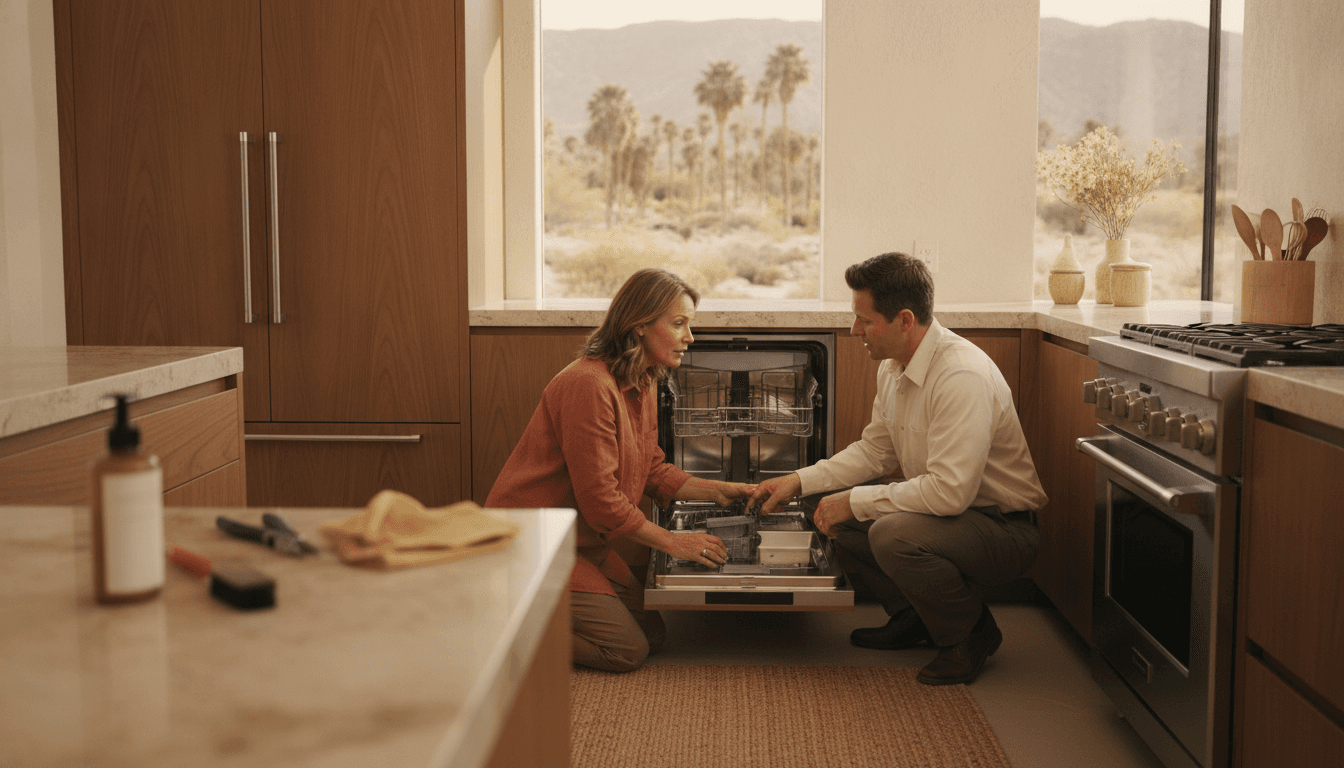
Dishwasher Not Draining? Causes and Step-by-Step Fixes for Coachella Valley Homeowners
Living in the Coachella Valley with its dusty air and hard water can place extra demands on your kitchen appliances, especially premium built-in dishwashers found in many Palm Springs homes. A dishwasher that won’t drain properly not only interrupts your routine but can also lead to unpleasant odors, standing water, and even damage over time. Understanding the common causes behind this problem and knowing which quick checks you can safely perform can save time and avoid unnecessary technician visits. This guide provides practical, measured advice for homeowners, second-home owners, and property managers servicing high-end brands like Miele, Thermador, Wolf, and Sub-Zero.
Why Does Dishwasher Drainage Matter in the Desert?
High-end built-in dishwashers are engineered for precision and efficiency, but desert conditions—like mineral buildup from hard water and dust accumulation—can increase the likelihood of drainage issues. Infrequent use during seasonal absences can also cause debris to settle, clogging essential drainage components. Poor drainage reduces cleaning performance and risks moisture damage to cabinetry, especially in humidity-controlled environments common in Coachella Valley homes.
Common Causes of a Dishwasher Not Draining
-
Clogged or Dirty Filter
Your dishwasher’s filter traps food debris to prevent clogs downstream. Infrequent cleaning or buildup of sand and mineral deposits can block water flow. -
Blocked Drain Hose
The drain hose carries wastewater from the dishwasher to your garbage disposal or sink drain. It can become kinked, clogged, or disconnected. -
Garbage Disposal or Sink Drain Blockage
If your dishwasher drains into a garbage disposal or sink drain, blockages here will prevent proper drainage. -
Faulty Drain Pump
The drain pump pushes the water out during the drain cycle. If it’s malfunctioning, the water will remain inside the tub. -
Air Gap Issues
An air gap is a small fitting near the sink that prevents backflow. If clogged, it can obstruct draining. -
Improper Dishwasher Installation or Leveling
If the dishwasher is not level, water may pool inside rather than drain correctly. -
Electrical or Control Board Problems
Sometimes the dishwasher doesn’t start or complete the drain cycle due to electronic faults, but this requires a technician’s diagnosis.
What You Can Safely Check at Home
Before calling for professional assistance, you can try these simple checks—always unplug the appliance or turn off its circuit breaker before inspecting.
- Ensure the dishwasher is properly level, adjust the feet slightly if accessible.
- Clear the filter and food trap: Remove and rinse any visible debris.
- Inspect the drain hose for kinks or obvious blockages at both ends.
- Check the sink drain or garbage disposal, ensuring the disposal is clear and running if connected.
- Examine the air gap (if installed): Remove the cover and clean any buildup.
- Review settings and cycles, confirming the dishwasher is on a proper drain cycle.
- Make sure water supply valves are fully open, but don’t attempt repairs on plumbing connections.
When to Call a Certified Technician in Palm Springs or Coachella Valley
- If you hear unusual noises during the drain cycle or the dishwasher never empties.
- If you’ve cleaned filters and hoses but water still won’t drain.
- When electrical or electronic symptoms arise (dishwasher won’t start, error codes, or control panel malfunctions).
- If your appliance is a high-end brand and you prefer factory-trained expertise to protect your investment.
- For routine certified maintenance and inspections to avoid desert-related wear and tear.
Solvanta’s certified technicians specialize in premium brands such as Miele and Thermador, and can diagnose and repair drainage problems promptly and cleanly.
Step-by-Step Fixes for Dishwasher Drain Problems
1. Clean the Filter and Food Trap
- Unplug the dishwasher, open the door, and remove the lower rack.
- Locate the filter and food trap at the bottom of the tub.
- Detach the filter components per your owner’s manual, rinse under warm water, and clear any residue.
- Replace the parts carefully and run a short cycle (empty) to test.
2. Inspect and Unclog the Drain Hose
- Turn off power to the unit.
- Access the dishwasher’s underside where the drain hose connects to the sink or garbage disposal.
- Check for kinks or sharp bends.
- If accessible, detach and flush the hose with water to clear debris.
- Reconnect securely.
3. Clear the Garbage Disposal Connection
- If your dishwasher drains through the garbage disposal, run the disposal to clear blockages.
- Check that the knockout plug has been removed in the disposal inlet if newly installed.
4. Clean or Reset the Air Gap
- Remove the air gap cover on the sink or countertop.
- Remove trapped debris with a brush and flush with water.
5. Level the Dishwasher
- Use a level to check front-to-back and side-to-side.
- Adjust feet bolts as necessary to achieve a balanced installation.
Preventing Future Drainage Issues in Desert Homes
Due to Coachella Valley’s hard water, regularly clean filters, rinse dishes before loading, and schedule annual professional maintenance. Mineral deposits and fine dust can accumulate in jets, pumps, and sensors, making routine certified cleaning especially effective.
For more advice on maintaining your entire kitchen setup, see our dishwasher repair services page.
Quick Checklist: Dishwasher Not Draining
- Unplug the dishwasher or switch off breaker before inspecting.
- Clean filters and food traps.
- Check and clear air gap.
- Inspect drain hose for kinks or blockages.
- Run garbage disposal if connected.
- Confirm dishwasher level and cycle settings.
- Call a factory-trained technician for pump or electrical issues.
For comprehensive home appliance care, visit Solvanta’s services hub.
FAQ / Direct Answers
Q: Why is there standing water at the bottom of my dishwasher?
A: Standing water usually indicates a drainage issue such as a clogged filter, blocked hose, or drain pump failure. It’s safe to check and clean the filter, but persistent problems mean a technician should inspect the drain pump.
Q: Can I use vinegar or other cleaners to fix drainage problems?
A: Mild cleaners can help prevent buildup but won’t clear mechanical blockages or pump failures. Avoid harsh chemicals, which may damage seals or electronics.
Q: Is it normal for the dishwasher to have some water left after the cycle?
A: A small amount of water often remains in the sump beneath the filter to lubricate the pump seal; this is normal.
Q: When should I stop and call a certified technician?
A: Stop DIY checks if water remains after cleaning filters and hoses, if you hear unusual noises, or if the dishwasher shows error codes or won’t run its drain cycle. Factory-trained technicians can safely handle internal components and electronic controls.
Q: Can seasonal use in a desert home cause dishwasher problems?
A: Yes. Extended inactivity can allow debris to settle and seals to dry, increasing risk of clogs and leaks. Seasonal maintenance is recommended.
Need a certified technician in Palm Springs or anywhere in the Coachella Valley? Schedule service with Solvanta today!